Category: fibre characteristics
-
Reflections
This is a photo that appeared in an old issue of National Geographic a while ago. I thought it was an excellent example of a variety of ‘natural’ fibres, showing how each of them look as a single fibre. I used it (with credit, of course) in some presentations I used to do because…
-
Reflections
This is a photo that appeared in an old issue of National Geographic a while ago. I thought it was an excellent example of a variety of ‘natural’ fibres, showing how each of them look as a single fibre. I used it (with credit, of course) in some presentations I used to do because…
-
Reflections
This is a photo that appeared in an old issue of National Geographic a while ago. I thought it was an excellent example of a variety of ‘natural’ fibres, showing how each of them look as a single fibre. I used it (with credit, of course) in some presentations I used to do because…
-
Reflections
This is a photo that appeared in an old issue of National Geographic a while ago. I thought it was an excellent example of a variety of ‘natural’ fibres, showing how each of them look as a single fibre. I used it (with credit, of course) in some presentations I used to do because…
-
Reflections
This is a photo that appeared in an old issue of National Geographic a while ago. I thought it was an excellent example of a variety of ‘natural’ fibres, showing how each of them look as a single fibre. I used it (with credit, of course) in some presentations I used to do because…
-
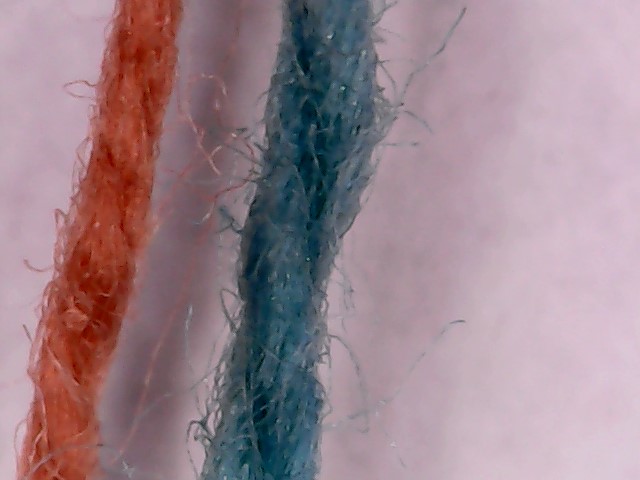
Deep Dive
If you don’t understand your materials, you won’t know how to use them appropriately. There is a persistent piece of information that gets shared around in the weaving community – a ‘myth’ I have tried to explain is not helpful. The assumption is that yarn counts give you everything you need to know about…
-
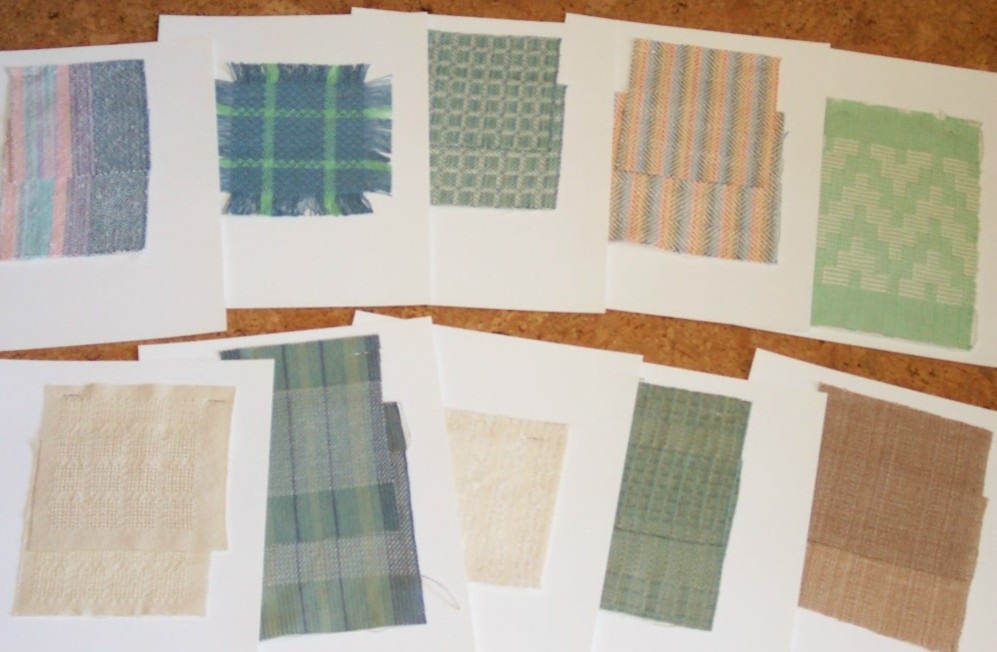
Why?
More photos from the publication A Good Yarn. I enjoyed writing these. I felt – still feel – that weavers don’t know enough about the materials they are using and the better acquainted with the threads they are using, the closer to success they will come. If you don’t know someone who can help…
-
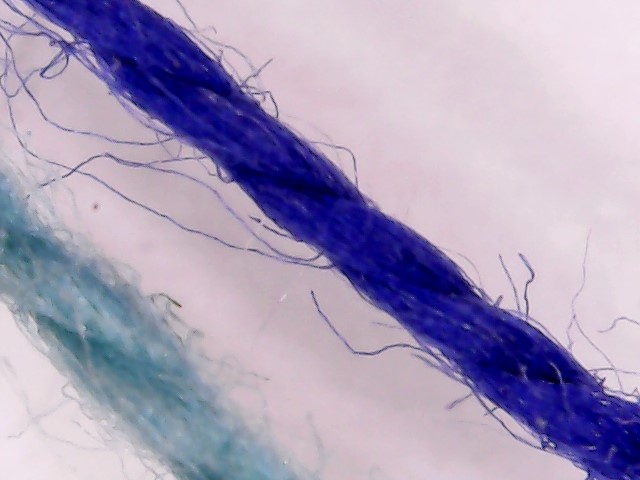
Change One Thing
pale teal 16/2 cotton, blue 2/16 cotton 2/16 cotton yarns with two different twists per inch in the ply Reminder: I use ply before count to denote ring spun yarn; count before ply for open end spun yarn, because they are very different in their natures. When I identify them with their ‘count’ in…
-
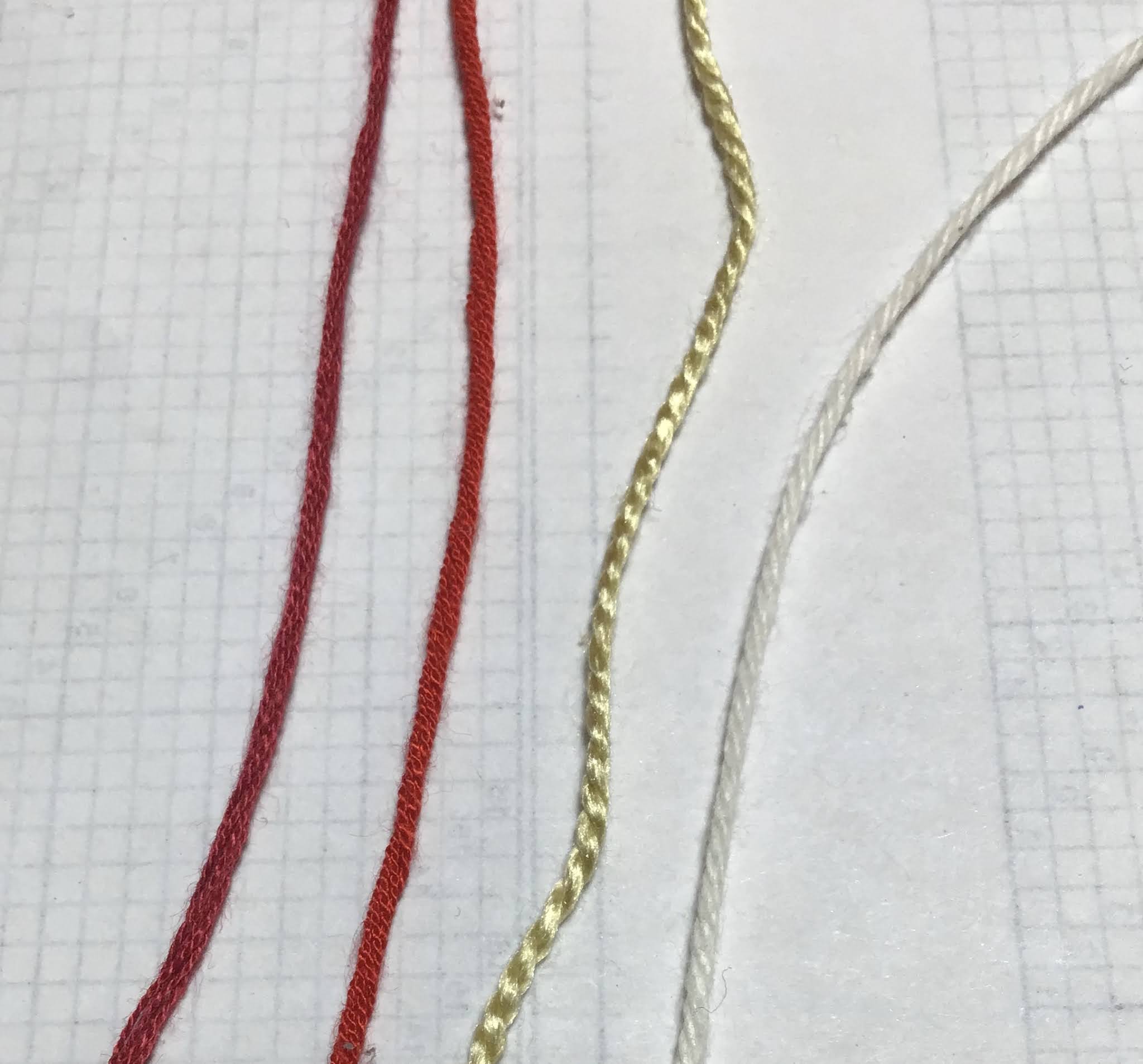
Seeking Substitutions
Photo of four different yarns, all approximately the same thickness and yards per pound. Sort of. Further to the earlier blog post, I wondered if I could show how difficult it can be to make substitutions or not. I found four different yarns that were approximately the ‘same’ when it came to thickness, two of…
-
Sustainable
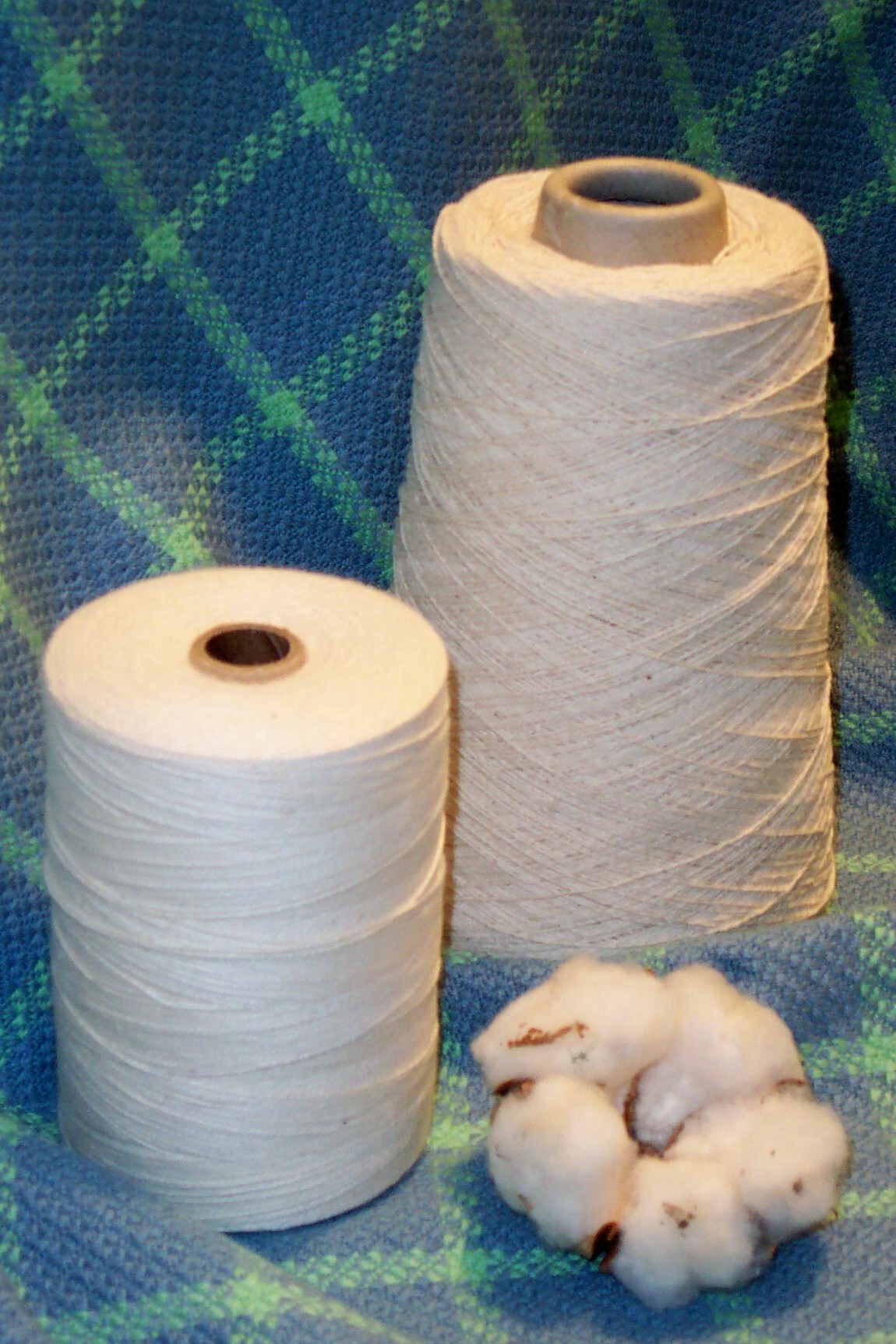
Organic or not? Over the years of my career, I have struggled with the whole issue of sustainability and the fibres I use in my practice. When I first began weaving, I tried everything. And by that I mean everything. As I learned more about how fibre is grown, how it is made (synthetics), spun/dyed,…