Category: selvedges
-
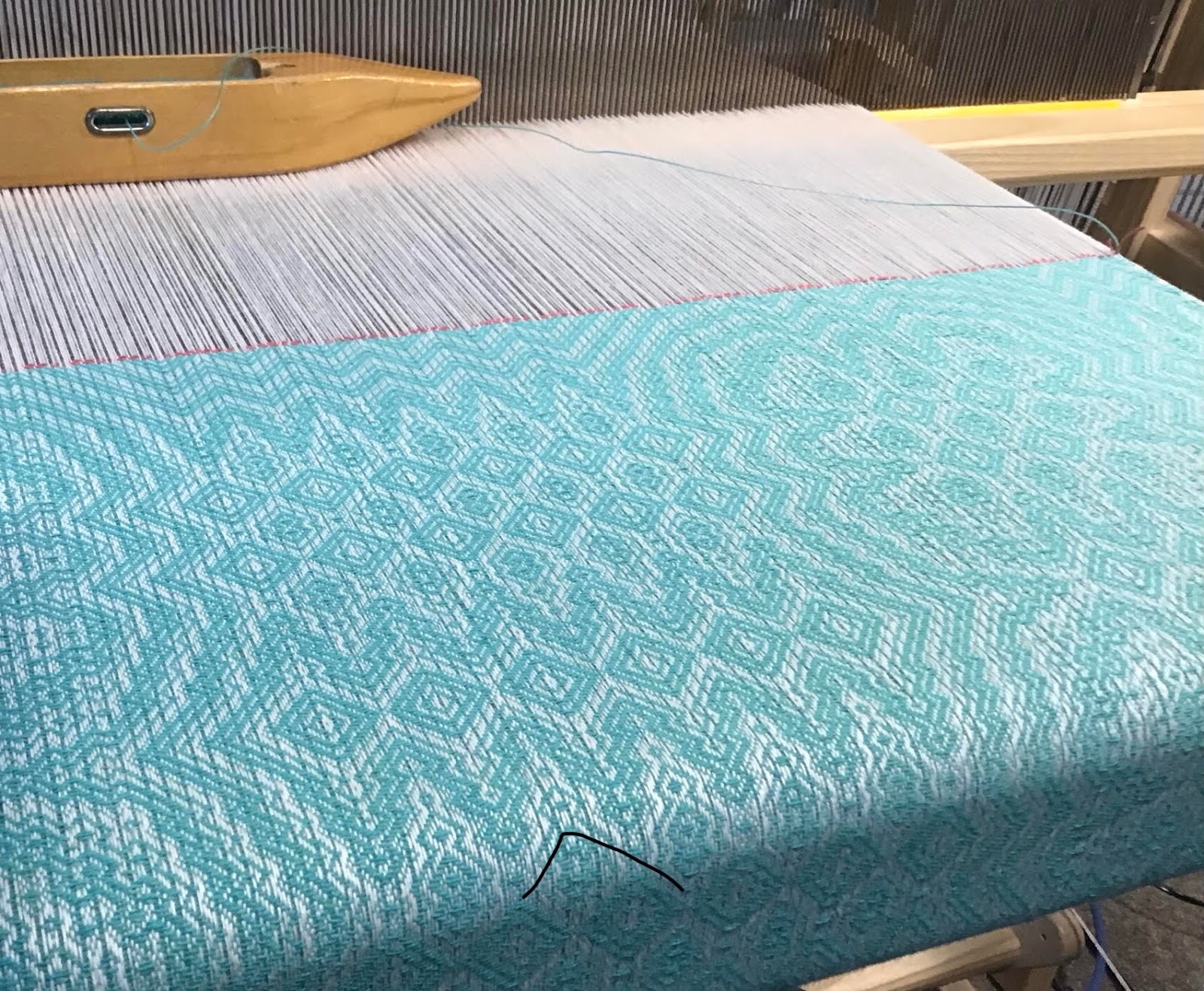
Reed Marks
tiny black ^ shows an obvious reed mark I get asked by newer weavers how to get rid of reed marks. I don’t actually worry about them over much. Remember that we don’t judge our textiles while they are on the loom, but after wet finishing. Here is the warp I’m currently weaving. There…
-
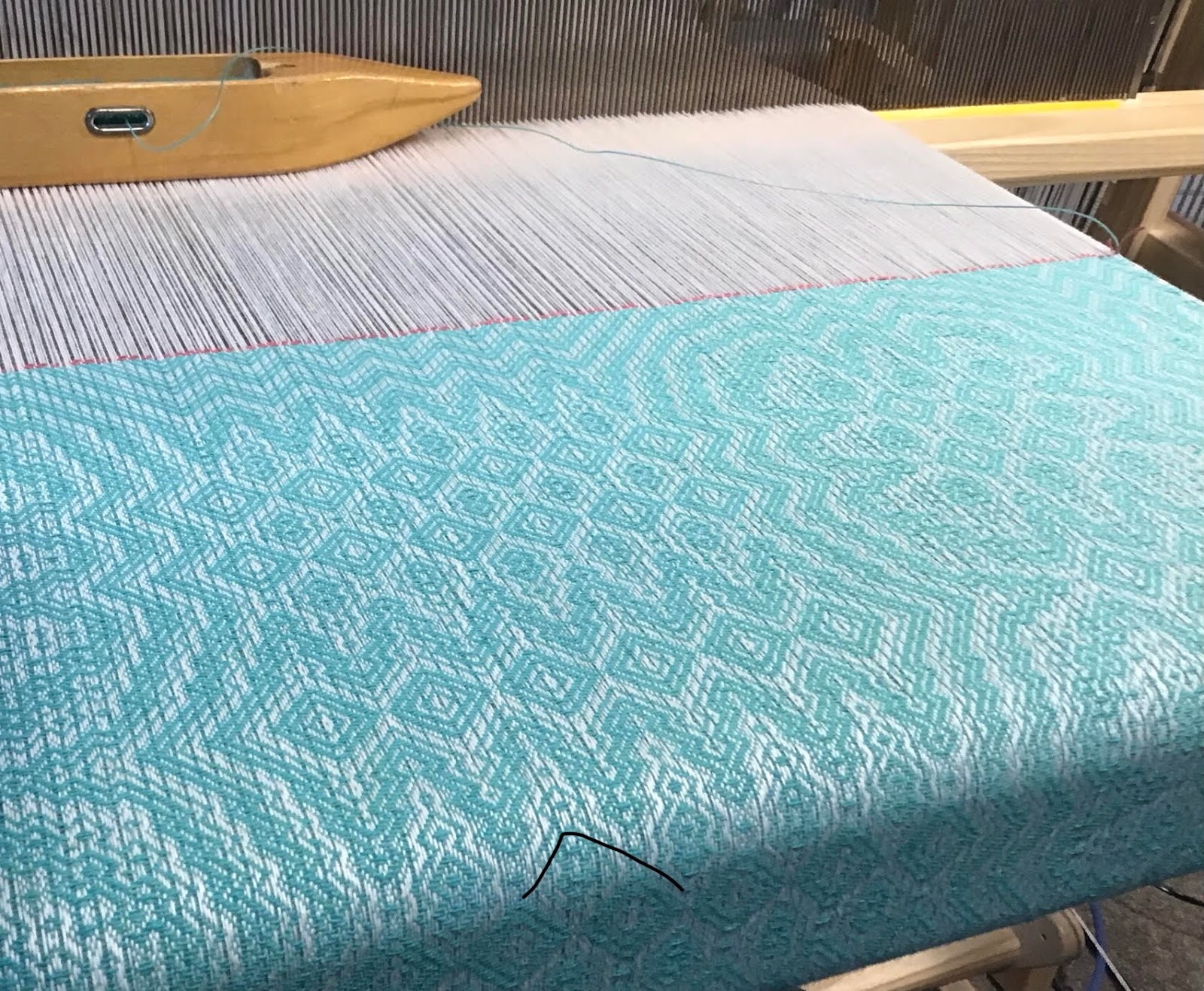
Reed Marks
tiny black ^ shows an obvious reed mark I get asked by newer weavers how to get rid of reed marks. I don’t actually worry about them over much. Remember that we don’t judge our textiles while they are on the loom, but after wet finishing. Here is the warp I’m currently weaving. There…
-
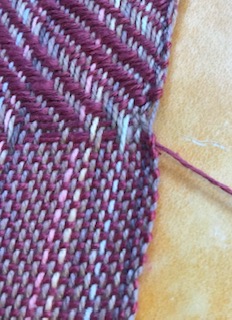
Those Pesky Selvedges (and what to do about them)
Selvedges. The bane of most weaver’s existence. Or at least their weaving practice. So much emphasis on achieving ‘perfect’ selvedges. So many ways they can go wrong. Yes, even for me, if I’m not paying attention. Or get lazy. Mostly my selvedges are pretty straight. On these plain weave scarves above, the selvedge is…
-
The Scissor Solution
Since weaving was, first and foremost, my business/profession, I was very quick to realize that my time was the most valuable commodity that I was investing into my textiles. As such, it became quite easy over the years to figure out when the time I needed to invest in a warp was becoming unreasonable. When…
-
Culmination
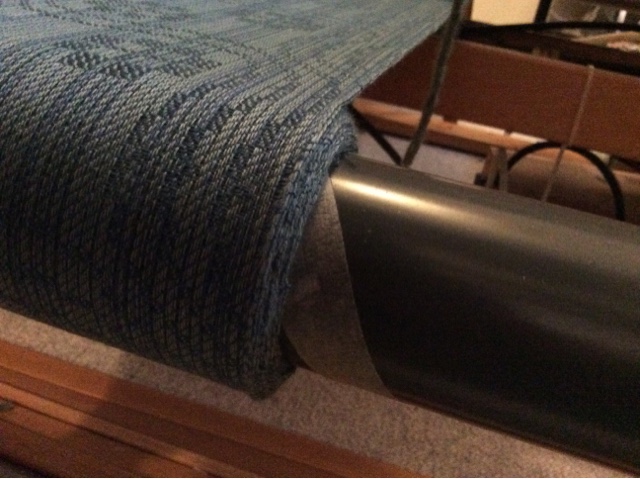
I’m at the fun bit of weaving – sitting at the loom, contentedly weaving away, piling up the yards/meters. Thinking. Because when everything is going well and you only need surface attention for the task at hand, the mind can go wandering. This morning I was thinking about how cyclic in nature being a professional…
-
Self edge
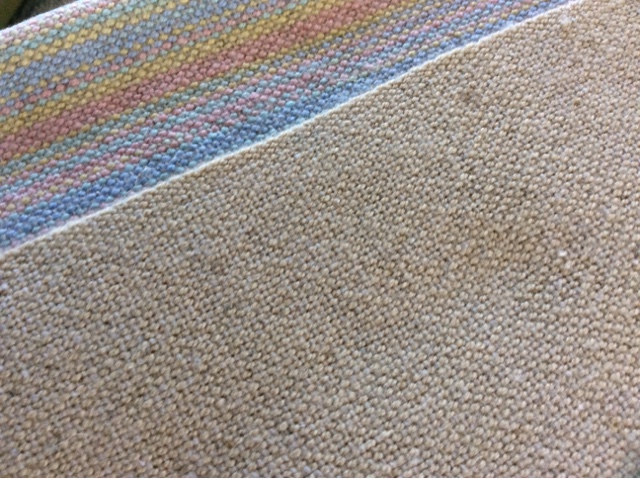
Selvedges. So many opinions. In order to get ‘perfect’ selvedges you must use a floating selvedge. In order to get ‘perfect’ selvedges all you need is an end feed (or delivery) shuttle. In order to get ‘perfect’ selvedges you must have a plain weave interlacement, regardless of the weave structure of the body of the…
-
Pro Tip
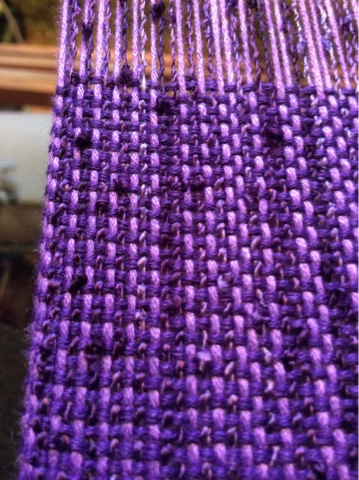
These warps were wound with one strand of Bambu 7 and one of a highly textured yarn. I wound them both at once, with my index finger between them. I find that winding them separated by a finger means they don’t grab onto each other and snag during beaming. When I thread, I choose…
-
To Float or Not
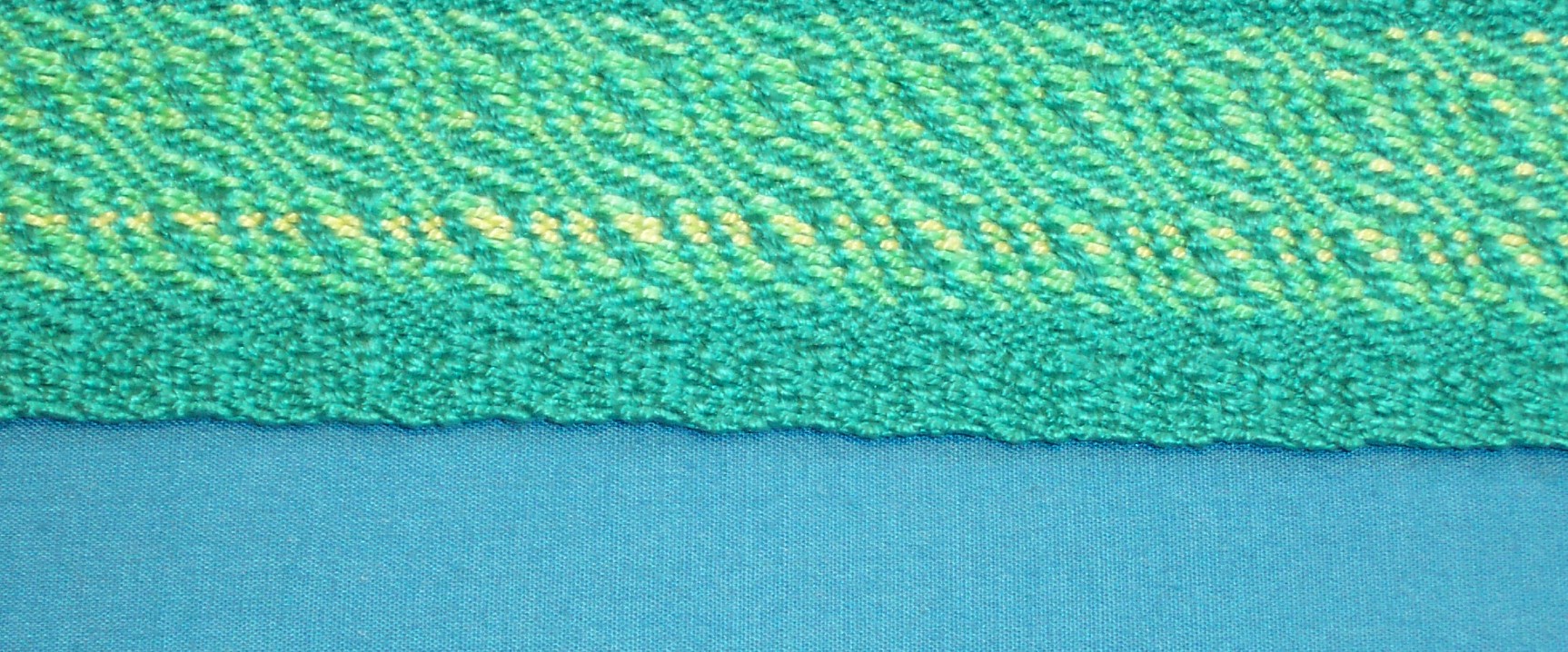
I am constantly seeing the advice on the chat groups that you must have a plain weave interlacement at the selvedge and if you don’t as in the advancing twill above, you must use a floating selvedge in order to achieve good selvedges. Well, you can if you want to, but personally, I don’t like…
-
Monday Rambles
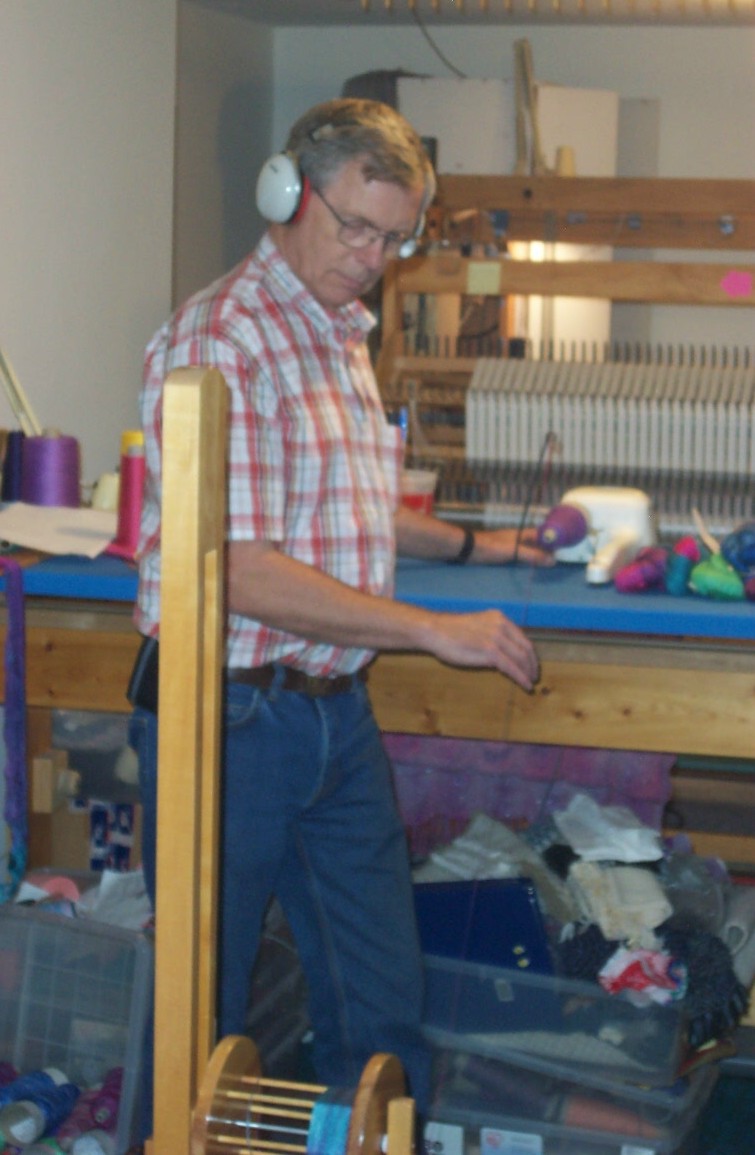
When I published Magic in the Water, I realized I would need to attend fibre events in order to show people the book in order to sell it. Since having just one item to sell wasn’t going to pay the expenses of renting a booth space never mind travelling to get to the event, I…
-
Selvedge Subtlety
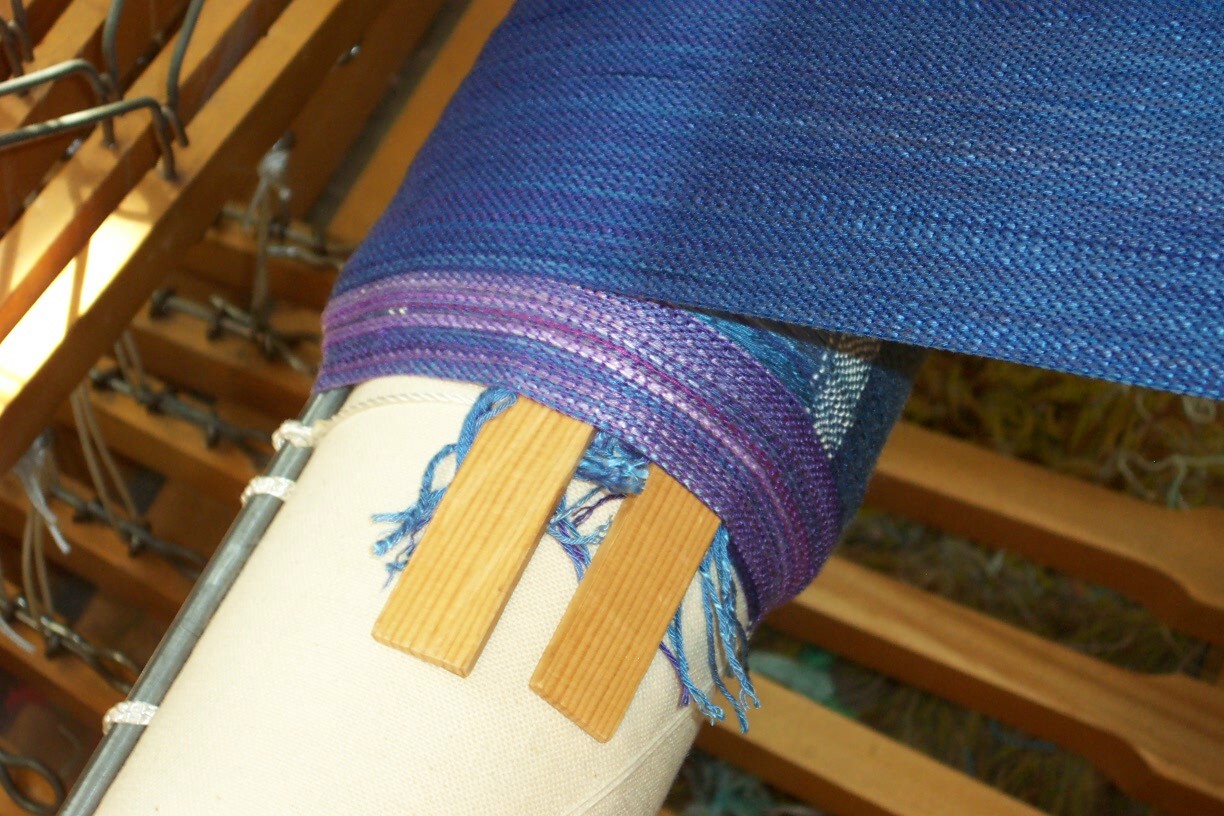
cloth winding onto cloth beam in a spiral Sticks inserted to provide support for the cloth The painted warps are 10.5 meters long, yielding 4 scarves. Apparently I did a sloppy job somewhere along the line getting this one into the loom. A) the reed slipped sideways as the warp was winding onto the warp…