A friend had
a saying that I had to think about for a while before I understood it: Perfect kills good.
a saying that I had to think about for a while before I understood it: Perfect kills good.
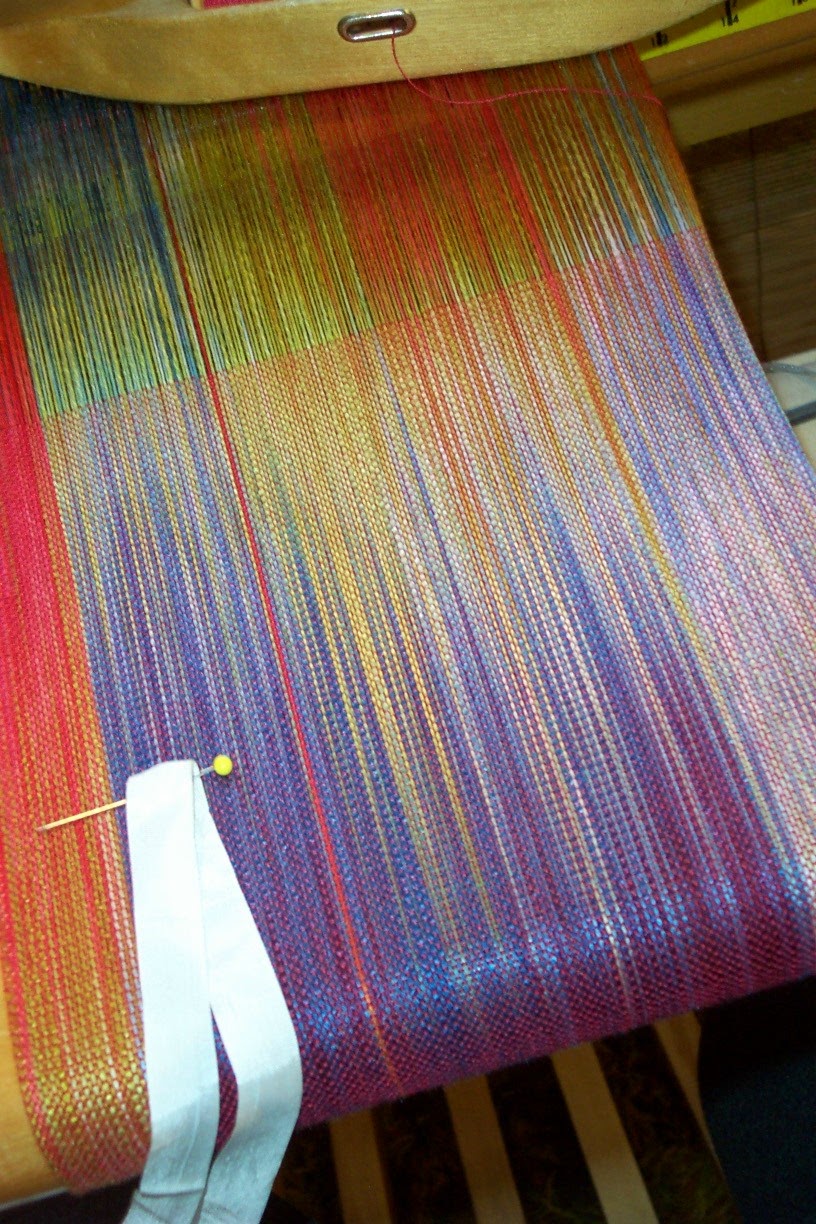
We’ve all
done it. We envision something in our minds that we think about, mull over,
tweak and finally we can see the perfect – whatever – in our mind’s eye. With a
great deal of excitement we swing into action and set about making it.
done it. We envision something in our minds that we think about, mull over,
tweak and finally we can see the perfect – whatever – in our mind’s eye. With a
great deal of excitement we swing into action and set about making it.
Unfortunately
the materials aren’t quite what we thought they were going to be. The colors
are not the shades we need. The process goes awry and we struggle to get it
completed. When we do finally finish it disappointment sets in. The reality
simply does not measure up to the vision of perfection we saw in our minds.
the materials aren’t quite what we thought they were going to be. The colors
are not the shades we need. The process goes awry and we struggle to get it
completed. When we do finally finish it disappointment sets in. The reality
simply does not measure up to the vision of perfection we saw in our minds.
We brand
ourselves a failure, or at least the item, and that disappointment in our lack
of perfection can cause us to overlook the fact that we may have attained a
high level of excellence.
ourselves a failure, or at least the item, and that disappointment in our lack
of perfection can cause us to overlook the fact that we may have attained a
high level of excellence.
Perfect
kills good.
kills good.

No one can
dip into our minds to see that vision of loveliness that we dreamt of bringing
into reality. They can only look at our actual results. Sometimes those results
are very good indeed, but because we are so caught up in our perfect project we
cannot see what someone else sees.
dip into our minds to see that vision of loveliness that we dreamt of bringing
into reality. They can only look at our actual results. Sometimes those results
are very good indeed, but because we are so caught up in our perfect project we
cannot see what someone else sees.
As creative
people we must learn that perfect is not a destination that many will arrive
at. While we always strive towards that vision we also have to learn how to
appreciate what we have made. We need to learn to look beyond the original creative
impulse in order to see – really see – what we have accomplished.
people we must learn that perfect is not a destination that many will arrive
at. While we always strive towards that vision we also have to learn how to
appreciate what we have made. We need to learn to look beyond the original creative
impulse in order to see – really see – what we have accomplished.
In a way
that lack of achieving perfection is what keeps many people creating. Accepting
that nothing – or at least very little – that they make is going to measure up,
they acknowledge that and carry on. They learn as much about their equipment,
materials and what works in terms of design and keep trying. Every project then
becomes a lesson learned. Another brick in their foundation of knowledge.
that lack of achieving perfection is what keeps many people creating. Accepting
that nothing – or at least very little – that they make is going to measure up,
they acknowledge that and carry on. They learn as much about their equipment,
materials and what works in terms of design and keep trying. Every project then
becomes a lesson learned. Another brick in their foundation of knowledge.
I had a
mentor who always said that if we aren’t making mistakes we aren’t learning. If
we continually keep doing the same things over and over so that we wind up with
a ‘perfect’ project, we are not pushing our boundaries. We are not learning
anything new.
mentor who always said that if we aren’t making mistakes we aren’t learning. If
we continually keep doing the same things over and over so that we wind up with
a ‘perfect’ project, we are not pushing our boundaries. We are not learning
anything new.
Most of the
traditional crafts have developed over millennia. Human beings have been making
things, primarily from necessity, but also from a sense of beauty and wonder. When
I see archaeological artifacts in museums I marvel at the time and effort that
went into making everyday objects – baskets, pottery, metal tools – as
beautiful as possible. Some of these things are not perfect. They have their maker’s marks on them in one
way or another. But from our perspective, they don’t have to be ‘perfect’. We
have the time and distance to accept them for what they are.
traditional crafts have developed over millennia. Human beings have been making
things, primarily from necessity, but also from a sense of beauty and wonder. When
I see archaeological artifacts in museums I marvel at the time and effort that
went into making everyday objects – baskets, pottery, metal tools – as
beautiful as possible. Some of these things are not perfect. They have their maker’s marks on them in one
way or another. But from our perspective, they don’t have to be ‘perfect’. We
have the time and distance to accept them for what they are.
When
disappointment threatens to make something you’ve made in danger of hitting the
garbage can, it’s a really good idea to stop. Put the item away, out of sight. Let
it rest in sanctuary for a few weeks or even months. Then after some time has
passed and the memory of that perfect vision has faded, bring it out again and
take a long look at it. See it for what it really is, not what you had hoped to
make. Look for what is right about it, instead of what is wrong.
disappointment threatens to make something you’ve made in danger of hitting the
garbage can, it’s a really good idea to stop. Put the item away, out of sight. Let
it rest in sanctuary for a few weeks or even months. Then after some time has
passed and the memory of that perfect vision has faded, bring it out again and
take a long look at it. See it for what it really is, not what you had hoped to
make. Look for what is right about it, instead of what is wrong.
Learn how to
recognize when something is excellent or even just good. Don’t let perfect kill
good. Or your creativity.
recognize when something is excellent or even just good. Don’t let perfect kill
good. Or your creativity.
Leonard
Cohen put it this way:
Cohen put it this way:
Ring the
bell that still can ring,
bell that still can ring,
Forget your
perfect offering.
perfect offering.
There is a
crack in everything
crack in everything
That’s how
the light gets in.
the light gets in.
I wrote this for Craftsy but it was turned down because they already had a similar post previously published. I think this sort of message needs to be seen – sometimes repeatedly – before it sinks in. And not everyone reads every blog post, surely? So, here it is, even though I’ve written about it here previously.
Currently reading How We Got to Now by Steven Johnson